

Preparing for a C-section is a powerful journey, a unique blend of anticipation and surrender. While your medical team focuses on the safe delivery of your baby, your focus can be on creating a sanctuary of comfort for yourself. Thinking about what to pack in your hospital bag for a C-section is more than just a task to check off a list; it is a profound act of self-care and preparation. It's about gathering the tools that will support your body’s healing and ease your transition into motherhood.
This guide is built specifically for you, the C-section mama. We’re moving past generic hospital bag advice to provide a focused, practical checklist that addresses the realities of a surgical birth and recovery. Forget the one-size-fits-all approach. Here, we delve into the why behind each item, from incision-friendly clothing that won’t irritate your tender abdomen to nursing essentials that make those first feeding sessions feel more manageable.
Your hospital bag is your personal toolkit for comfort, confidence, and control. It’s how you mother yourself while you begin to mother your new baby.
We will explore every essential, ensuring you feel empowered and ready. From high-waisted underwear and gentle support garments to the small comforts that make a hospital room feel more like home, this list is your roadmap. Let’s build the ultimate C-section hospital bag together, a collection that honors your strength and nurtures you through this incredible, life-changing experience. You are about to do something amazing, and you deserve to feel supported every step of the way.
1. High-Quality Nursing Bras (2-3 options)
Your postpartum journey, especially after a C-section, is a time for healing, bonding, and immense change. Choosing the right undergarments isn't just about function; it's about honoring your body's need for comfort and support. Packing high-quality nursing bras in your hospital bag is a non-negotiable act of self-care that sets the stage for a more comfortable recovery and a smoother breastfeeding start.
Unlike standard bras, a well-designed nursing bra provides essential support for fluctuating breast sizes during engorgement without constricting sensitive tissue. For a C-section recovery, this is doubly important. A soft, wireless design avoids any pressure on or near your incision site, while easy-access features like one-handed nursing clips mean you can feed your baby without any awkward twisting or reaching. Brands like Milk&Lace have perfected this, with designs like the GAIA and PETRA bras offering both gentle support for the initial postpartum days and structured elegance as you heal.
Practical Tips for Choosing and Packing
Your body will change rapidly after birth, so packing a few different options is a smart strategy. This allows you to find what feels best as your milk comes in and your body begins to heal.
- Prioritize Soft, Wireless Designs: For the first few days, your skin and incision area will be incredibly sensitive. Choose bras made from breathable, soft-cup materials that won't irritate your skin or put pressure on your abdomen.
- Look for Flexible Sizing: Many nursing bras come with extra hook-and-eye closures or stretchy bands to accommodate your changing rib cage and bust size. This adaptability is key for long-term comfort.
- Test for Easy Access: Make sure at least one of your chosen bras has simple, one-handed clips or pull-aside panels. When you're holding your newborn and learning to latch, fumbling with complicated clasps is the last thing you need.
- Embrace Your Style: Recovery is also a mental and emotional process. Packing a nursing bra that makes you feel beautiful is a small but powerful way to reconnect with your identity. Elegant lace details or soft, minimal designs can provide a much-needed confidence boost.
Key Insight: A great nursing bra is more than a utility item; it's a tool for comfort, confidence, and connection during one of life's most profound transitions.
Getting the fit right is crucial. To ensure you have the best support from the start, you can learn how to properly measure for a nursing bra before you pack. Packing 2-3 thoughtfully selected bras is a cornerstone of preparing for what to pack in your hospital bag for a C-section, giving you one less thing to worry about so you can focus on your new baby.
2. High-Waisted Disposable or Easy-Care Underwear (10-15 pairs)
Your C-section recovery is a sacred time dedicated to healing, and the underwear you choose plays a vital role in this process. Selecting high-waisted, incision-safe underwear is an act of foresight that prioritizes comfort when you are at your most vulnerable. This simple choice eliminates a common source of irritation and allows you to focus on what truly matters: your recovery and bonding with your new baby.
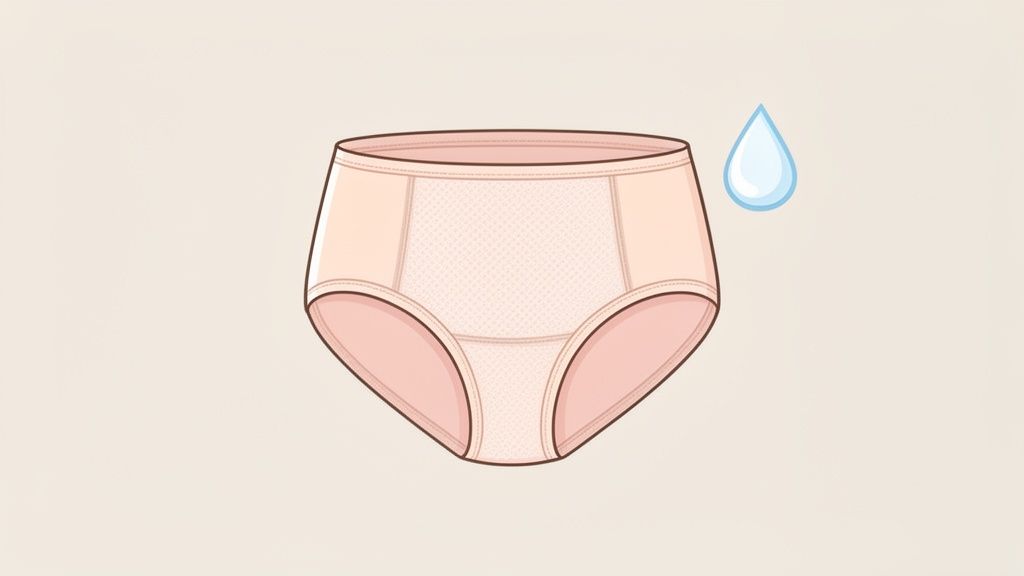
Unlike your everyday low-rise styles, postpartum underwear is specifically designed to accommodate the realities of post-C-section life. The high waistline sits well above your incision, preventing any rubbing or pressure that could disrupt healing or cause pain. Many mothers rely on the disposable mesh underwear provided by the hospital for the first few days, but packing your own supply of either disposable or soft, easy-care options ensures you have what you need for a comfortable transition home. This preparation is a key part of what to pack in your hospital bag for a C-section, giving you peace of mind.
Practical Tips for Choosing and Packing
Having a generous supply of the right underwear means you can avoid laundry duties in those first crucial weeks. Aim for 10-15 pairs to give yourself a buffer and make your early postpartum days smoother.
- Go High-Waisted, Always: The number one rule for C-section recovery underwear is to ensure the waistband sits comfortably above your incision. Low-rise styles are an absolute no-go as they will directly irritate the sensitive area.
- Embrace Disposable Options: For the first week, disposable adult underwear or hospital-grade mesh panties are brilliant. They offer absorbency for postpartum bleeding (lochia) and can be thrown away, freeing you from laundry worries.
- Prioritize Breathable Materials: Whether disposable or reusable, choose underwear made from soft, breathable, and hypoallergenic materials. Good airflow is essential for keeping the incision area dry and preventing infection.
- Plan for Abundance: Pack more than you think you will need. Having 10-15 pairs on hand means you will not run out during your hospital stay or the first few days back home. This small step significantly reduces stress.
Key Insight: Choosing underwear that protects your incision and simplifies your routine is a foundational act of postpartum self-care that supports both physical healing and mental calm.
When you pack your hospital bag, including a well-stocked supply of appropriate underwear is one of the most practical and compassionate things you can do for your future self. It’s a simple item that provides immense comfort and convenience, allowing you to direct your energy toward your recovery and your newborn.
3. Button-Front or Zip-Front Robes and Pajamas (3-4 sets)
After a C-section, your body craves gentleness, and the simple act of getting dressed can feel like a monumental task. This is where thoughtful, functional sleepwear becomes an essential part of your recovery toolkit. Packing button-front or zip-front robes and pajamas in your hospital bag isn't just about comfort; it's a strategic choice that supports your healing, simplifies baby care, and restores a sense of dignity during frequent medical checks.

Standard pullover tops require you to lift your arms and potentially twist your core, movements that are painful and risky after major abdominal surgery. In contrast, front-opening sleepwear allows you to dress with minimal strain. Nurses can easily access your incision for checks, and you can open your top for skin-to-skin contact or breastfeeding without having to pull anything over your head. This seemingly small detail makes a world of difference when you are sore, tired, and focused on bonding with your newborn.
Practical Tips for Choosing and Packing
Your hospital stay is a time for acute recovery, so function and ease should be your top priorities. Packing a few different sets ensures you’ll always have a fresh, clean option ready, which is a significant comfort.
- Choose Full-Front Access: Opt for pajamas or a robe where the buttons or zipper go all the way down. This design provides the easiest access for both medical staff and breastfeeding, eliminating any need to lift fabric over your sensitive abdomen.
- Prioritize Soft, Breathable Fabrics: Your skin will be extra sensitive, and you may experience postpartum night sweats. Look for pre-washed cotton, modal, or bamboo fabrics that are gentle to the touch and won't irritate your incision.
- Pack for Practicality: Bring 3-4 sets. Hospital stays can involve unexpected spills or leakage, and having backups means you won’t have to worry about laundry. Darker colors are excellent for camouflaging stains and helping you feel more secure.
- Balance Function with Feeling Good: While comfort is key, don’t underestimate the power of feeling put-together. Include one slightly nicer robe or pajama set for when visitors arrive or for taking those first precious family photos. It’s a small boost that can greatly impact your morale.
Key Insight: The right sleepwear isn't a luxury; it's a functional recovery tool that provides comfort, accessibility, and a sense of control during your postpartum hospital stay.
Preparing what to pack in your hospital bag for a C-section is an act of care for your future self. By selecting easy-access robes and pajamas, you are removing potential sources of pain and frustration, freeing up your energy to focus on what truly matters: healing your body and nurturing your baby.
4. C-Section Recovery Support Garments (Belly Bands or Compression Wraps)
Recovering from a C-section is a unique physical journey that calls for specialized support. Abdominal support garments, often called belly bands or compression wraps, are far more than an accessory; they are a medical-grade tool designed to cradle your healing core. Including one in what you pack for your hospital bag for a C-section is a powerful act of preparation for a more comfortable and confident recovery.
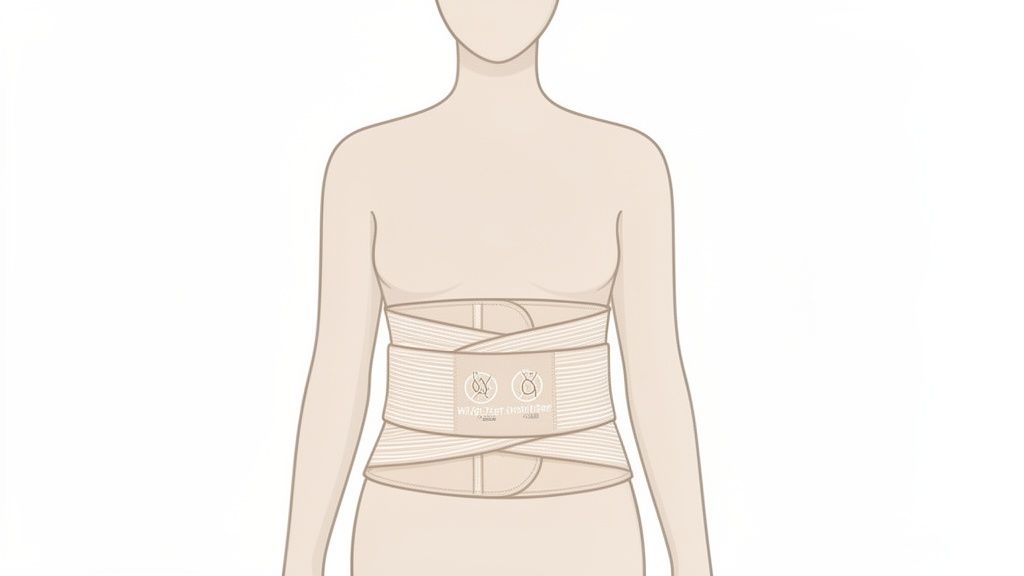
These garments work by providing gentle, consistent pressure to your abdomen. This external support helps stabilize your core muscles, reduces strain on your incision site, and can significantly decrease pain associated with movement, coughing, or even laughing. Many physical therapists and OB/GYNs now recommend them as a standard part of postpartum care, as they can help improve posture and provide a sense of security as you begin to move, lift, and care for your newborn.
Practical Tips for Choosing and Packing
Correctly using a support garment is crucial for receiving its full benefits without causing discomfort. Packing it in your hospital bag ensures you have it ready when your care team gives you the green light to use it.
- Consult Your Care Team First: Before delivery, ask your surgeon or hospital about their protocol for abdominal binders. They can provide recommendations and advise on the best time to start wearing one.
- Size Up for Swelling: Post-surgery swelling is normal. To ensure a proper fit without being too restrictive, consider packing a size larger than your pre-pregnancy measurements. The garment should offer support, not constrict your breathing or circulation.
- Learn Proper Application: Ensure the wrap is applied smoothly to provide even support across your abdomen and incision area. It should feel like a firm hug, not a vise. Many mothers report wearing it during the day for activities and removing it at night to let their skin rest.
- Combine with Other Comfort Measures: A belly band works best as part of a complete recovery plan. Use it alongside your prescribed pain medication and gentle, approved movements for optimal results.
Key Insight: A C-section support garment acts as a gentle external corset, holding your healing tissues in place so you can focus less on discomfort and more on bonding with your baby.
Understanding how to use these garments effectively can make a significant difference. Many hospitals and physical therapists provide guidance on proper application and wear time.
Packing a C-section recovery wrap is an investment in your physical and psychological well-being. It provides the stability needed to navigate those first few days of motherhood with greater ease, making it an essential item for your hospital bag.
5. Nipple Care Essentials (Lanolin, Hydrogel Pads, Shields)
The first days of breastfeeding are a beautiful, intense learning curve for both you and your baby. Nipple soreness is common, but preparing for it transforms it from a potential roadblock into a manageable part of the process. Packing dedicated nipple care essentials is a crucial act of foresight, ensuring discomfort doesn't overshadow the precious moments of connection with your newborn, especially while your body is also recovering from major surgery.
These specialized products are designed to soothe, protect, and heal delicate skin, preventing minor tenderness from escalating into painful cracking or bleeding. After a C-section, managing all sources of pain is paramount for your recovery, and proper nipple care is a key component. Items like medical-grade lanolin create a protective moisture barrier, while cooling hydrogel pads offer immediate, soothing relief. Hospitals and lactation consultants often provide these items because they are proven to support a successful breastfeeding journey from day one.
Practical Tips for Choosing and Packing
Having a small arsenal of nipple care items in your hospital bag gives you options, as what works one day may differ the next. This proactive approach empowers you to address soreness immediately, fostering a positive start to breastfeeding.
- Pack a Multi-Product Kit: Don't rely on just one solution. Include a tube of 100% pure lanolin or an organic nipple butter, a set of soothing hydrogel pads, and perhaps a nipple shield (after consulting with a lactation expert) for a comprehensive toolkit.
- Apply Lanolin Proactively: Get into the habit of applying a pea-sized amount of lanolin after every nursing session from the very beginning. This preventative step helps keep skin supple and resilient.
- Use Hydrogel Pads for Acute Relief: If you experience significant soreness or a burning sensation, apply a chilled hydrogel pad for 15-20 minutes between feedings. The cooling effect is incredibly soothing and helps reduce inflammation.
- Focus on Prevention Through Latch: While these products are fantastic for treatment, the best strategy is prevention. Work with the hospital's lactation consultant to ensure your baby has a deep, effective latch, which is the root cause of most nipple trauma.
Key Insight: Proactive nipple care isn't about expecting problems; it's about creating a safety net of comfort that allows you to focus on bonding and healing without unnecessary pain.
As you establish your breastfeeding and pumping routine, you'll discover what works best for your body. For instance, combining effective nipple care with a good pumping schedule can be a game-changer for your comfort and milk supply. You can explore a guide to hands-free pumping to make the process even more manageable. Including these small but mighty items in what you pack for your hospital bag for a C-section gives you the confidence to navigate the early days of feeding with ease.
6. Newborn Care Basics (Diapers, Wipes, Swaddles, Mittens)
Preparing for your newborn's arrival feels magical, and gathering their first tiny essentials is a profound act of love and anticipation. While the hospital provides basic supplies, packing your own curated collection of newborn care items ensures your baby is wrapped in the comfort and quality you’ve chosen for them from their very first moments. This thoughtful preparation for what to pack in your hospital bag for a C-section allows you to focus purely on bonding, knowing their immediate needs are met.
From the gentle touch of a fragrance-free wipe on delicate skin to the secure hug of a soft swaddle, these items are your first tools for nurturing your new baby. After a C-section, having these essentials within easy reach minimizes your movement and allows your partner or support person to seamlessly take over diaper changes and soothing. Choosing your preferred diaper brand or organic cotton swaddles isn't just about practicality; it's about beginning your parenting journey with intention and surrounding your baby with your personal touch.
Practical Tips for Choosing and Packing
While many hospitals offer newborn supplies, they may not align with your preferences for organic, fragrance-free, or specific brands. Packing your own ensures you have backups and can introduce your baby to products you trust from the start.
- Bring Two Diaper Sizes: Newborns can surprise you with their size. Pack a sleeve of Newborn diapers and a sleeve of Size 1. This strategy prevents a last-minute scramble if your baby is larger than expected or has a growth spurt.
- Opt for Gentle, Hypoallergenic Wipes: A newborn's skin is incredibly sensitive. Choose water-based, fragrance-free wipes to avoid irritation or rashes. Pack a full-size soft pack and a smaller travel pack for convenience.
- Pack Multiple Swaddles and Mittens: Soft, breathable swaddles are key for recreating womb-like comfort and helping your baby sleep. Bring two or three in case one gets soiled. Mittens are tiny and easily lost, so pack several pairs to protect your baby's face from sharp newborn nails.
- Confirm Hospital Provisions: A quick call to your hospital's labor and delivery unit can clarify what they provide. This helps you avoid overpacking while ensuring you have everything you need for peace of mind.
Key Insight: Assembling your baby's first care kit is more than a task on a checklist; it's one of the first tangible ways you care for and connect with your child before you even meet them.
Having these fundamental items ready means your first hours and days together can be spent in a cocoon of comfort and connection. By thoughtfully selecting these basics, you are not just packing a bag; you are creating a welcoming, gentle start for your new baby, making it a crucial part of what to pack in your hospital bag for a C-section.
7. Comfortable Going-Home Outfits and Nursing-Friendly Tops
The moment you leave the hospital with your newborn is monumental, a threshold between the clinical world of recovery and the warm embrace of home. What you wear for this first journey is more than just clothing; it’s a gesture of care for your healing body. Packing a comfortable going-home outfit and several nursing-friendly tops in your hospital bag is a practical and emotionally grounding step in preparing for your postpartum life.
Your body after a C-section requires tenderness, especially around the abdomen. A thoughtfully chosen outfit will provide gentle support without putting any pressure on your incision, while accessible tops make feeding your baby simple and stress-free. This isn’t about fitting into pre-pregnancy clothes; it’s about honoring your body’s current needs with soft fabrics, forgiving fits, and functional designs that build confidence as you step into your new role.
Practical Tips for Choosing and Packing
Your going-home outfit bridges the gap between hospital gown and regular clothes. It’s your first step back toward a new normal, so comfort and function should be your guiding principles. Packing a few nursing tops also ensures you’re prepared for cluster feeding and visitors once you arrive home.
- Plan for a 6-Month Pregnancy Size: Your belly will still be swollen after delivery. Pack a going-home outfit that fit you at around six months pregnant. A flowy dress, stretchy leggings, or a loose-fitting jumpsuit are excellent choices.
- Select Nursing-Friendly Tops: Pack 5-7 tops designed for easy breastfeeding access. Look for button-front styles, pull-aside necklines, or dedicated nursing layers. This variety will get you through the first few days at home without needing to do laundry immediately.
- Choose Dark, Soft Fabrics: Postpartum bleeding (lochia) can be unpredictable. Darker colors help hide any potential stains, giving you one less thing to worry about. Prioritize soft, breathable materials like cotton or modal that won't irritate your sensitive skin or incision.
- Embrace Layers: Hormonal shifts can cause your internal thermostat to fluctuate wildly. Packing a lightweight cardigan, zip-up hoodie, or open-front robe allows you to easily add or remove a layer for optimal comfort.
Key Insight: Your going-home outfit is a symbol of transition. Choosing one that prioritizes your physical comfort allows you to focus your emotional and mental energy on bonding with your new baby.
As you plan your postpartum wardrobe, remember that style and function can coexist beautifully. You can explore a variety of stylish nursing wear that makes you feel put-together and capable. Thoughtful clothing choices are a key component of what to pack in your hospital bag for a C-section, setting you up for a smoother, more confident start to motherhood.
8. Entertainment and Self-Care Items (Books, Music, Comfort Objects)
Your C-section recovery is a journey of both physical healing and emotional adjustment. While the medical team focuses on your body, nurturing your mind and spirit is your sacred task. Packing items for entertainment and self-care is a profound act of acknowledging your emotional needs, creating a small sanctuary of comfort and normalcy amidst the hospital environment. These items are your tools for managing stress and finding moments of peace as you bond with your newborn.
The quiet moments between feedings, visitor check-ins, and medical rounds can feel long and overwhelming. Having a favorite book, a soothing playlist, or a gentle face mist can ground you, reminding you of who you are outside of being a patient and a new mother. Perinatal mental health research shows that psychological comfort directly supports physical healing. Creating these small rituals of self-care can significantly improve your hospital experience, providing a sense of control and calm during a vulnerable time.
Practical Tips for Choosing and Packing
While you’ll be busy, having familiar comforts on hand for downtime is essential. Focus on items that are easy to use and bring you genuine joy without requiring much energy or effort.
- Choose Low-Effort Entertainment: Pack a book you’ve already read and loved or light magazines. The familiarity is comforting, and you won’t have to invest mental energy in a new plot. A tablet with pre-downloaded movies or a playlist of calming music is perfect for one-handed use while nursing or resting.
- Pack a Meaningful Comfort Object: A small, framed photo of your partner, a special keepsake, or even your favorite fuzzy socks can make the sterile hospital room feel more like your own space. This tangible connection to home can be incredibly reassuring.
- Create a Minimal Self-Care Kit: Your routine will be disrupted, but a few simple items can make a huge difference. Think face mist, a high-quality lip balm, and a gentle face wash. This small ritual can help you feel refreshed and more like yourself.
- Prepare a Soothing Playlist: Music is a powerful mood-shifter. Create a playlist of songs that make you feel calm, happy, or empowered before you head to the hospital. Headphones are a must for creating your own private oasis.
Key Insight: Caring for your emotional well-being is not a luxury; it is a critical component of your C-section recovery that directly impacts your physical healing and bonding experience.
These small, personal touches are a vital part of what to pack in your hospital bag for a C-section. They are your personal toolkit for emotional resilience, helping you navigate the first few days of motherhood with a greater sense of peace and presence.
8-Item C-Section Hospital Bag Comparison
| Item | 🔄 Implementation complexity | ⚡ Resource requirements | 📊 Expected outcomes | 💡 Ideal use cases | ⭐ Key advantages |
|---|---|---|---|---|---|
| High-Quality Nursing Bras (2–3 options) | Moderate — requires correct fit and style testing | Medium — 2–3 quality pieces; possible fitting session | Improved breast support, easier one-handed nursing, better posture | Ongoing breastfeeding, managing engorgement, post-healing wardrobe | Supports nursing access and confidence; reduces strain |
| High-Waisted Disposable or Easy-Care Underwear (10–15 pairs) | Low — simple purchase and pack in quantity | High volume — 10–15 pairs; recurring cost if disposable | Keeps incision clear of pressure, manages lochia, reduces laundry | First 1–3 weeks post-C-section, heavy bleeding, limited mobility | Comfortable incision coverage and hygienic convenience |
| Button-Front or Zip-Front Robes and Pajamas (3–4 sets) | Low — choose nursing-friendly closures and fabrics | Moderate — 3–4 sets, takes bag space | Facilitates nursing, wound checks, skin‑to‑skin; maintains dignity | Hospital stay, nighttime nursing, medical exams | Easy access for care and feeding; easy to change if soiled |
| C-Section Recovery Support Garments (Belly Bands/Wraps) | Moderate–High — requires correct sizing and guidance | Low–Medium — 1–2 medical-grade garments; possible professional advice | Reduced pain, improved posture, decreased strain; may speed recovery | Early post-op mobility, walking, lifting light loads | Targeted abdominal support; pain management and posture aid |
| Nipple Care Essentials (Lanolin, Hydrogel Pads, Shields) | Low — basic application knowledge; follow lactation advice | Low — small items; periodic replenishment | Soothes/protects nipples, prevents trauma, supports latch | Early breastfeeding sessions, sore/cracked nipples, inflammation | Immediate comfort and breastfeeding support; simple to use |
| Newborn Care Basics (Diapers, Wipes, Swaddles, Mittens) | Low — select preferred brands and sizes | High — bulk items take space; multiple sizes recommended | Ensures newborn comfort/hygiene; eases transition from hospital to home | First hospital stay and early home days; backup to hospital supplies | Control over gentle products; supports bonding and routine |
| Comfortable Going‑Home Outfits & Nursing Tops | Low–Moderate — requires size planning (pre‑pregnancy fit) | Moderate — several tops and one going‑home outfit | Boosts confidence, practical nursing access for outings | Hospital discharge, early public outings, milestone photos | Enables dignified departure and practical feeding access |
| Entertainment & Self‑Care Items (Books, Music, Comfort Objects) | Low — curate lightweight, one‑handed items | Low — small items, minimal space | Improves mood, reduces stress, supports emotional recovery | Rest periods, low‑mobility recovery, solo downtime | Supports mental health and improves hospital experience |
Embracing Your Postpartum Journey with Confidence
As you stand on the cusp of meeting your baby, the act of packing your hospital bag becomes more than a simple chore. It is a ritual of preparation, an affirmation that you are ready, and a profound act of self-care. This list, carefully curated for the specific needs of a C-section recovery, is your roadmap to a more comfortable, confident, and supported postpartum experience. It’s not just about accumulating items; it's about intentionally choosing things that honor your body's incredible journey and its need for gentle healing.
By thoughtfully considering what to pack in your hospital bag for a C-section, you are taking the first step in advocating for your own well-being. This preparation moves you from a state of uncertainty to one of empowered readiness. You are acknowledging that your recovery is just as important as your baby’s arrival, and you are equipping yourself with the tools to navigate it with grace.
From Practicality to Personal Comfort
The items detailed in this guide serve distinct yet interconnected purposes. In those initial hours and days, practicality will be your primary focus.
- High-waisted underwear and C-section recovery bands are your non-negotiable allies, providing gentle compression and protecting your sensitive incision site from irritation.
- Button-front pajamas and nursing-friendly tops offer the dual benefits of comfort and easy access for both skin-to-skin contact and breastfeeding, simplifying those first few fumbling, beautiful moments.
- Essentials like nipple care creams and newborn basics ensure that both you and your little one have what you need to begin your new life together smoothly.
These practical items are the foundation of your recovery. They reduce physical stress, which in turn allows you to dedicate more of your precious energy to bonding with your baby and resting your body.
“Packing for your C-section isn’t about anticipating every possible need. It’s about creating a cocoon of comfort and support that allows you to focus on healing and bonding, knowing your most immediate needs are already met.”
Reclaiming Your Sense of Self
As the initial fog of surgery and new parenthood begins to lift, your needs will naturally shift. The functional items that served you so well in the hospital will slowly give way to pieces that help you reconnect with your own identity. This is a critical and often overlooked part of the postpartum journey. Your hospital bag should contain a few items that are just for you.
This might be a favorite cozy robe, a captivating book, or a playlist that makes you feel centered. It’s about bringing a small piece of your world into the sterile hospital environment, reminding you that you are still the same person, now with a new and wonderful dimension. The transition from a functional nursing bra to one that offers both support and a touch of elegance is a perfect example of this evolution. You begin to choose items not just for what they do, but for how they make you feel. This is where your confidence begins to blossom again, rooted in the strength you've discovered and the self-love you've cultivated.
Packing your bag is the final, tangible step before you meet your child. Look at your packed bags not as a sign of an impending ordeal, but as a treasure chest filled with comfort, support, and love for your future self. You have done the research, you have made thoughtful choices, and you are more prepared than you know. Embrace this moment with the confidence it deserves. You are strong, you are ready, and an incredible adventure is about to begin.
As you transition from hospital-grade essentials to everyday comfort, discover how the right nursing bra can support your body and lift your spirits. Milk&Lace creates beautifully designed, supportive nursing bras that remind you of your strength and femininity long after you've unpacked your hospital bag. Explore the collection at Milk&Lace to find the perfect blend of function and elegance for your postpartum journey.