

The first time you pee after a C-section, it can feel like a test you didn't study for. You're tired, sore, maybe holding your breath, and then the burn starts. Your mind goes straight to the same question many new mothers whisper at 2 AM, is this normal, or is something wrong?
Pain while urinating after C section is common enough that it deserves a calm, clear explanation, not guesswork. The hard part is that several different problems can feel almost the same at first, especially when you're still recovering from surgery, catheter removal, swelling, and pain medication. Some causes settle with time, some need a urine test, and some need prompt care because the bladder isn't emptying properly.
Why the Bathroom Feels Like a Battlefield After Surgery
The bathroom can feel strangely intimidating after a C-section. A mother may stand up slowly, brace her incision, and still tense up before the first drop of urine hits irritated tissue. That reaction makes sense. The pain is real, and it often shows up when you are already exhausted, sore, and trying to do the simplest thing on almost no sleep.
Pain while urinating after C section does not automatically mean something serious is wrong. It can come from plain irritation, but it can also point to urinary retention, infection, or, less commonly, a surgical injury that needs prompt attention. The tricky part is that the early symptoms can overlap so much that they blur together. A study on postpartum voiding problems found that some women had trouble emptying their bladder after cesarean delivery, and another study reported both overt and covert urinary retention after birth. That overlap is one reason a burn with urination should be watched closely instead of brushed aside.
What many new mothers are not told is that the same stinging sensation can start in different places. A catheter can leave the urethra tender, swelling can make urine sting as it passes, and a bladder that is not emptying well can create pressure that feels a lot like infection. In other words, the body can send the same alarm for different problems, and that is why self-diagnosis gets confusing so quickly.
Your job at home is not to sort out every cause on your own. Your job is to notice whether the pattern is easing, staying the same, or getting worse, then ask for help when it is not improving.
If your underwear is rubbing against incision tenderness or adding pressure where you already feel sore, a softer recovery layer can make the day easier to tolerate. Some mothers like to pair comfort-focused clothing with practical postpartum care, including the kind of gentle support discussed in this guide to underwear to wear after birth.
The Six Most Common Causes of Painful Urination
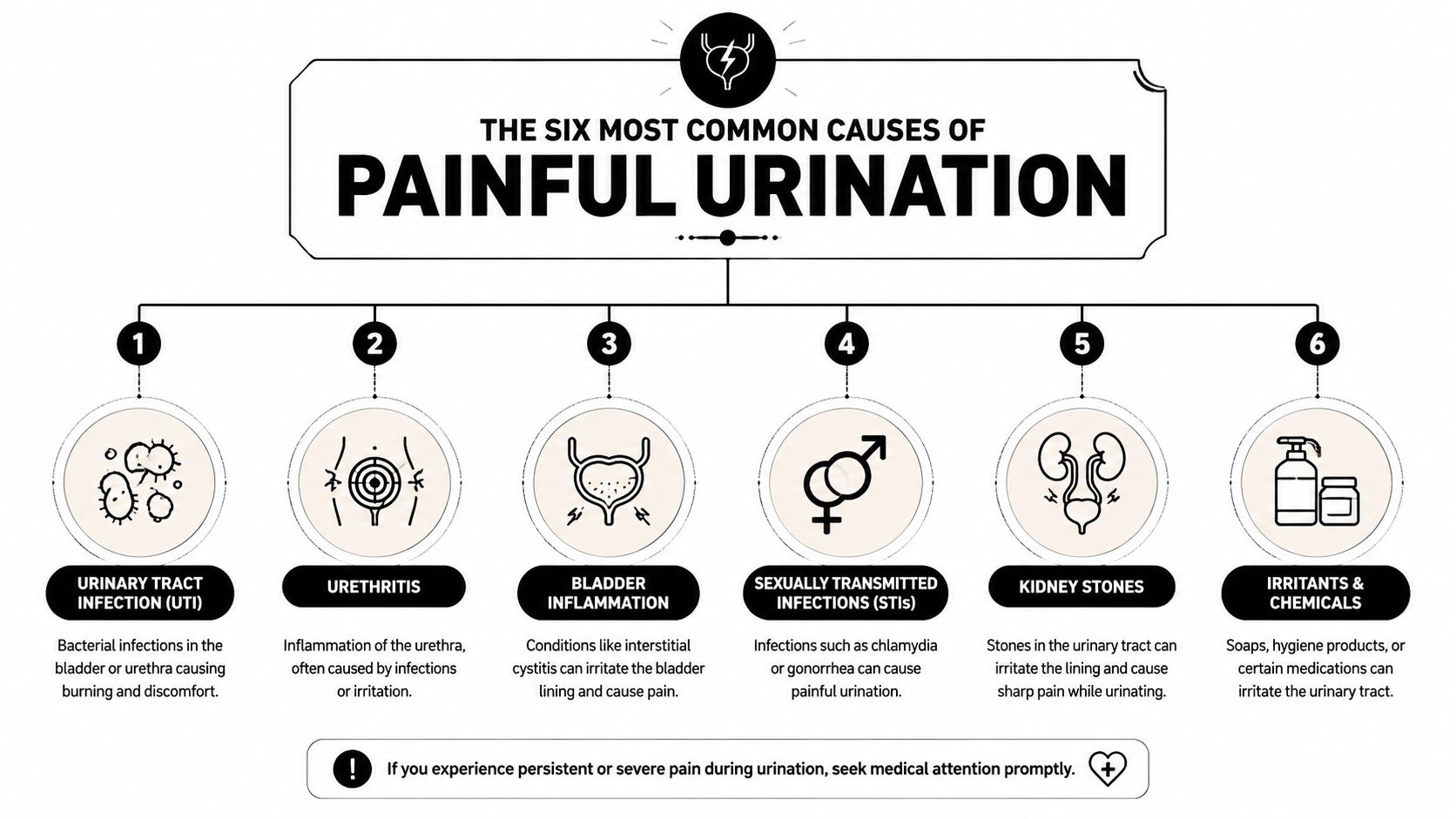
After a C-section, painful urination can feel confusing because the same burn, pressure, or urgency may come from different places at once. A sore urethra, a bladder that is not emptying well, and an infection can all send signals that sound very similar to the body. That overlap is why the symptom deserves a close look instead of a quick guess.
Catheter irritation and urethral trauma
A Foley catheter is common during cesarean delivery and for a short time afterward. Once it is removed, the urethra can feel tender, raw, or scraped, and the first few bathroom trips may sting the most. For some mothers, the discomfort improves as the tissue settles. If incision swelling is also making the lower abdomen feel tight, that extra pressure can make bladder symptoms more noticeable, as described in this guide to c-section incision swelling.
Urinary tract infection
A UTI can bring burning, urgency, cloudy or foul-smelling urine, and the feeling that the bladder never quite settled after you went. Because catheter use can raise the chance of infection, ongoing burning should not be dismissed as ordinary recovery. If the pain is increasing instead of easing, infection deserves more attention.
Urinary retention and incomplete emptying
This is the hidden overlap that many mothers do not expect. You may be able to pee, but still leave urine behind, which creates pressure, frequent small trips, and discomfort that can look a lot like a UTI. A bladder that does not empty fully can also make you feel like you need to go again soon after you just went, even when infection is not the main issue.
Surgical trauma and swelling
The bladder and nearby tissues can be irritated by the surgery itself. Swelling works like a cramped shoe on a sore foot, it does not create the original injury, but it makes every step more noticeable. Concentrated urine can add to that sting, which is one reason hydration often helps the burning feel less sharp.
Less common bladder or urinary tract injury
True injury is uncommon, but it matters because severe pain, persistent blood in the urine, or symptoms that do not follow the usual recovery pattern need evaluation. The review source notes bladder injury rates of 0.08% to 0.94% and ureteral injury rates of 0.01% to 0.08% (PMC review). If the pattern feels wrong, trust that signal and contact your provider.
Pelvic floor dysfunction and postpartum bladder changes
The pelvic floor can stay tense after birth and surgery. That tension may make it hard to relax enough to start peeing comfortably, and it can also leave you with the feeling that you have to go again almost right away. Some persistent bladder problems after cesarean need pelvic floor support and bladder retraining, not just antibiotics (Rahat Hospitals).
Burning, pressure, and urgency can overlap so much that symptom names alone won't tell you the whole story.
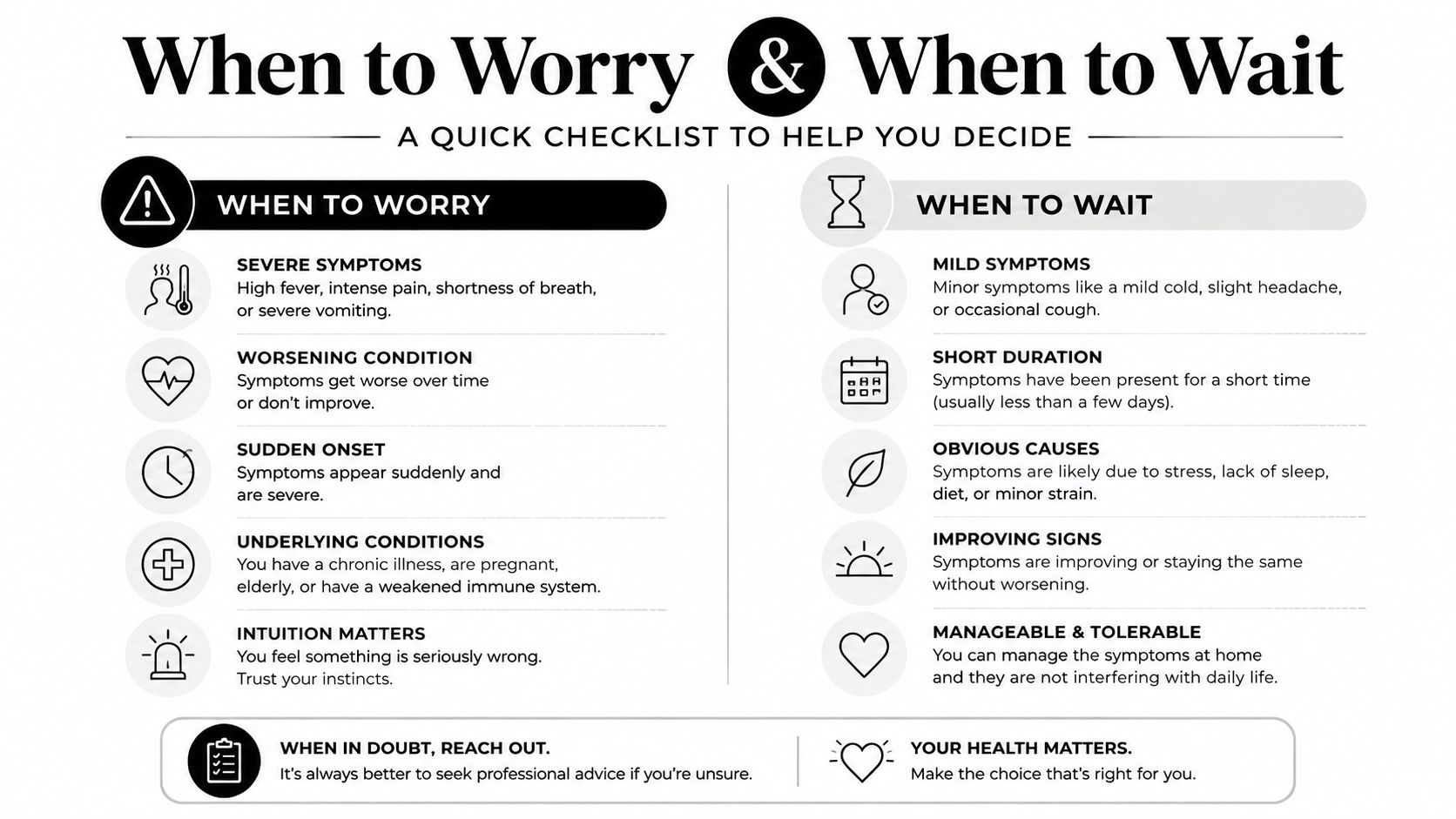
When to Worry and When to Wait
The first question is not, “Is this pain bad?” The better question is, “Is this pain improving the way healing pain usually does?” A little burning in the early days can happen, but the trend matters more than the exact description.
Wait and watch if
Mild burning that is already easing, brief stinging after catheter removal, or a little urinary urgency without fever can fit ordinary recovery. Keep hydration steady, notice whether the pain is trending down, and avoid assuming every twinge means infection. If you're still within the first day or two after surgery, the body may be reacting to irritation and swelling.
Call your provider soon if
Pain is still hanging around at about a week, especially if it's not getting better. That timeline matters because the available guidance is inconsistent, with some sources describing catheter soreness as short-lived and others noting symptoms can linger longer, which is exactly why lingering dysuria deserves testing rather than guesses (Mamazing). If you're also noticing cloudy urine, foul smell, or pain that feels deeper than skin-level burning, a urine check is reasonable.
Get urgent care if
You can't urinate at all, you see blood in your urine, you have fever, or you develop severe abdominal, back, or side pain. Those symptoms point away from routine irritation and toward infection, retention, or injury. If the pain is intense enough that you're afraid to drink fluids or try to pee, that's another reason not to wait.
For incision-related discomfort that makes every bathroom trip feel harder, it can help to compare the pain with how the rest of your recovery is going. Swelling near the surgical site can add pressure and make urinary symptoms feel more dramatic, which is why it's wise to look at the whole postpartum picture rather than one symptom in isolation. A separate recovery reference on C-section incision swelling can help you connect what you're feeling around the incision with what's happening in the rest of your body.
If the symptom is getting louder instead of quieter, call. Recovery pain should soften, not sharpen.
How Doctors Diagnose the Problem
When a mother calls about painful urination after a cesarean, the clinician usually starts with the story. Timing matters. Symptoms that begin right after catheter removal often point to irritation, while symptoms that build later can suggest infection or incomplete emptying. They'll also ask about stream strength, how often you're going, fever, urine color, and whether your bladder feels empty after peeing.
The exam usually tries to sort bladder emptying problems from infection and from surgical complications. Urinalysis can look for signs that fit a UTI, and urine culture helps identify which bacteria may be present if infection is suspected. If the pattern sounds more like retention, the team may check whether urine is still sitting in the bladder after you void.
That difference matters because the same burning symptom can come from different problems. Hospital coding and bedside assessment do not always match, and retention can be missed if nobody checks how well the bladder is emptying. As noted in a PMC review, coded records can undercount the problem, while clinical checks pick up milder and quieter cases that never get labeled in the chart. A low number on paper does not mean the symptom should be brushed aside.
If the pain is severe, keeps going, or comes with blood in the urine, clinicians may widen the workup to look for bladder or ureteral injury. They may also ask whether you had neuraxial anesthesia, opioid pain medicine, or a long procedure, because those details can help explain why the bladder is not behaving normally. The most helpful thing you can bring to the visit is a simple timeline, when it started, what makes it worse, and whether peeing gives real relief or only a brief change in the discomfort.
Treatment Options and Home Care Strategies
Relief depends on the cause, and sometimes the practical answer is to treat more than one thing at once. A mother with catheter irritation may need hydration and time, while a mother with a UTI may need antibiotics, and a mother with retention may need a plan for emptying the bladder more completely.
What you can do at home
- Hydrate steadily: Concentrated urine stings more, so regular sips are kinder than waiting until you're very thirsty.
- Use warm water during voiding: Pouring warm water over the area can reduce the sharp edge of burning for some women.
- Try forward-leaning toilet posture: A slight lean forward can help the bladder empty more completely.
- Rinse gently after urinating: A peri-bottle can make wiping less irritating when the tissue is sore.
- Avoid holding urine: Long gaps can worsen pressure and make retention harder to notice.
What treatment may involve
If infection is suspected, a clinician can prescribe the right antibiotic after evaluating your symptoms and test results. If incomplete emptying is the issue, the plan may focus on timed voiding or other bladder-emptying support rather than treating for infection alone. That distinction matters because the fix for irritation is not the same as the fix for retention.
Some women also need help from recovery tools that reduce overall strain, especially when getting to the bathroom feels awkward or painful. A soft support item like GAIA is a nursing bra with stretch lace, flexible support, and easy breastfeeding access, and it fits the stage when comfort and confidence both matter. If you're choosing supplies, think in terms of what lowers friction in your day, not just what looks nice on a shelf.
The right home care shouldn't mask a worsening problem. It should make the wait for proper evaluation more bearable.
The Overlooked Problem of Urinary Retention
A bedside urge to pee can feel convincing after a C-section, yet the bladder may still not be emptying well. That hidden pattern is easy to miss, because the person can pass urine and still be dealing with incomplete emptying, stretched bladder walls, or sluggish bladder signals after anesthesia and pain medicine.
Confusion often begins here. A mother may think, “I can pee, so it cannot be retention.” The bladder does not always work in an all-or-nothing way. It can release a little urine, then leave enough behind to keep pressure, burning, and that uncomfortable full feeling alive.
Infection burns because the urinary tract lining is irritated. Retention hurts because pressure keeps building and the bladder cannot relax and empty the way it should. Neuraxial anesthesia and perioperative analgesics can blunt the normal urge and reflex to void, and one clinical source notes postpartum retention can appear in some cases at 10% to 15% (Vinmec). The number is not the part to memorize. The useful takeaway is that retention is common enough to keep on the list when pain with urination does not fit a simple UTI pattern.
A few clues help separate it from infection:
- Do you feel empty after you pee, or only briefly relieved?
- Is the stream weak, stop-start, or hard to begin?
- Are you passing small amounts often instead of one steady void?
- Does the pressure return quickly after you stand up?
These details matter because a bladder that is not emptying can mimic a bladder that is infected. The symptoms overlap, and that overlap is exactly why some mothers are treated for burning alone while the actual issue is urine left sitting behind in the bladder.
If that sounds like what your body is doing, say it plainly when you call. Use the words incomplete emptying, weak stream, straining, or “my bladder still feels full.” That gives the clinician a better chance of checking for retention instead of looking only for infection.
Some women also need practical postpartum support while they are trying to rest, feed, and get to the bathroom without more strain. Tools that reduce pressure around the waist can help with comfort during recovery, and a simple option like the after-birth waist trainer guide can help you decide whether that kind of support fits your healing plan.
Prevention and Long-Term Recovery Strategies
The easiest way to lower the odds of lingering pain is to treat your bladder with the same steady care you give your incision. Empty it regularly, keep fluids moving through the day, and take gentle walks when you can. Those habits help urine move through instead of sitting too long or becoming more concentrated, which can keep irritation from turning into a longer recovery problem.
If burning, pressure, or awkward peeing keeps hanging on after the first stretch of recovery, pelvic floor physical therapy is worth asking about. That can matter especially when the problem feels less like sharp infection pain and more like tension, weakness, or trouble letting the pelvic muscles relax enough to pee fully. Bladder issues after a cesarean can improve with time, but symptoms that do not settle should be checked rather than accepted as the new normal. One hospital resource notes that lingering bladder problems may need evaluation instead of waiting and hoping they fade on their own (Rahat Hospitals).
Your support system can make a real difference here. A partner can bring water, hold the baby while you take a slower bathroom trip, or help you notice whether each day is getting easier or staying stuck. That kind of help matters because postpartum bladder symptoms are easy to minimize when you are tired, but they are still part of healing and deserve the same attention as the incision, the bleeding, or the bruising.
If you are trying to sort out whether the problem is infection, incomplete emptying, or irritation from a catheter, a simple timeline can help. New burning with urgency that keeps returning after each pee deserves a call, because that pattern can point to urine left behind in the bladder or a UTI that needs treatment. Pain that is easing day by day, with a stronger stream and less pressure, usually fits better with recovery. When symptoms stay the same, worsen, or come with fever, foul-smelling urine, or a feeling that the bladder never fully empties, it is time to get checked.
A calm plan helps in the middle of the night too. Drink enough to keep urine light in color, avoid holding it for long stretches, and pay attention to whether you are passing a normal amount or just small sips over and over. Those clues are the bladder's version of a blinking light on the dashboard. They tell you something still needs attention, even if the pain is not dramatic.
Some women also need practical postpartum support while they are trying to rest, feed, and get to the bathroom without extra strain. Tools that reduce pressure around the waist can help with comfort during recovery, and a simple option like the after-birth waist trainer guide can help you decide whether that kind of support fits your healing plan.
If you're still sorting through postpartum discomfort and want clothing that supports the realities of feeding, resting, and rebuilding confidence, Milk&Lace offers nursing bras designed for that stage of recovery. Visit Milk&Lace to see options that pair everyday function with a softer, more intentional feel while you heal.